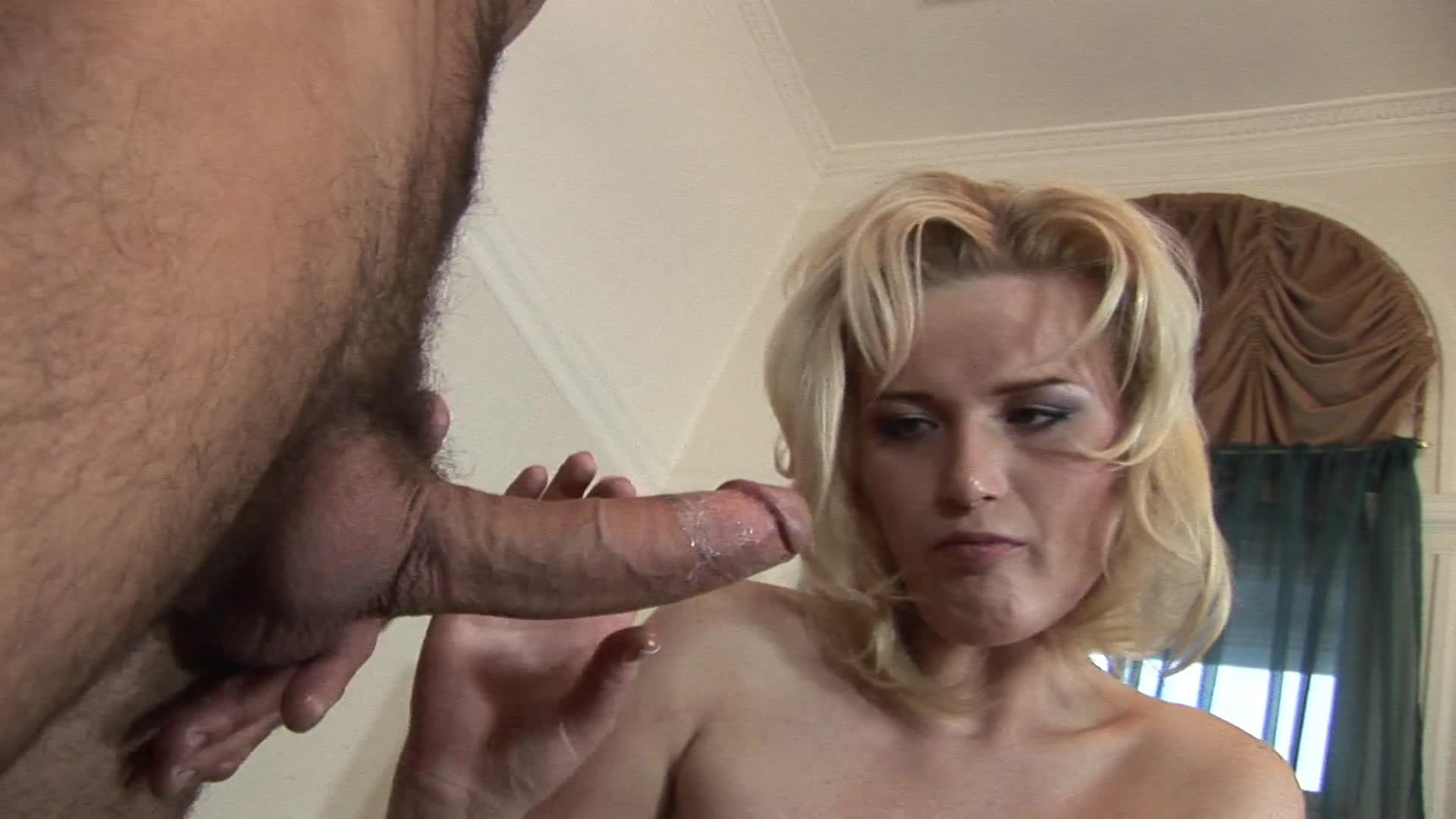

Explore why close-up scenes captivate viewers in adult entertainment. Learn the craft, psychology and techniques that make them irresistibly watchable.
Close-up scenes deliver instant focus. They strip away the noise. Every detail lands with precision. Viewers lean in because nothing else competes for attention. That raw directness keeps them watching longer.
The Pull of Unfiltered Detail
Big wide shots spread energy thin. Close-ups concentrate it. A single expression carries weight. A subtle shift in movement tells the story. This intensity builds fast and holds steady. Short sentences work here. They mirror the tight framing.
Industry creators know the trick. They use close-ups to guide the eye exactly where tension lives. No filler. Just the moment. At HerHD the same principle drives selection. We pick scenes that reward that focused gaze.
Intimacy Without Distance
Close-ups shrink the gap between performer and viewer. They create connection through proximity. You notice micro-expressions. You catch the spark of reaction. That personal scale feels bold and unapologetic.
- Heightened emotional cues
- Clearer sense of presence
- Stronger memory of the scene
Direct camera work turns passive watching into active engagement. Viewers feel included rather than sidelined. The humor in the room often lands harder too. A quick glance or smirk breaks the fourth wall just enough.
Technical Craft That Makes Them Pop
Lighting, angle and timing matter most in tight shots. Harsh shadows kill mood. Soft, directional light flatters and reveals. Steady hands or rigs keep the frame alive without distraction. Editors cut on the peak micro-moment. That rhythm matches viewer breathing.
Sound design tightens further. Every breath and whisper gains weight. The absence of wide-room reverb keeps the scene intimate. These choices separate forgettable clips from the ones people return to.
Viewer Psychology at Work
Human attention loves specificity. Close-ups feed that craving. They reduce cognitive load. The brain processes fewer variables and stays locked in. Dopamine hits arrive quicker and more often.
Irreverent creators lean into this. They know a well-timed close-up can flip a scene from standard to memorable with one cut. Viewers sense the confidence behind the choice. That confidence transfers to the watching experience.
Common Mistakes and How to Dodge Them
Too long and the shot drags. Too tight and context vanishes. The sweet spot keeps just enough body language while zooming on the core action. Shaky footage breaks immersion fast. Overuse turns novelty into tedium.
Smart directors vary the length. They mix two-second flashes with longer holds. The result feels dynamic. Lists of viewer complaints often point back to these basic errors.
Where Close-Ups Head Next
High-resolution cameras keep pushing the form. Every pore and flicker stays crisp. New platforms reward this clarity. Viewers expect the same precision across devices. The bold ones experiment with extreme angles and longer static frames.
HerHD tracks these shifts closely. We feature creators who master the close-up without losing the bigger picture. The appeal stays simple: direct, confident, and impossible to ignore.
Short punchy framing works because it respects the viewer’s time and attention. It delivers exactly what the title promises. No more, no less. That honesty keeps the genre fresh and endlessly watchable.